
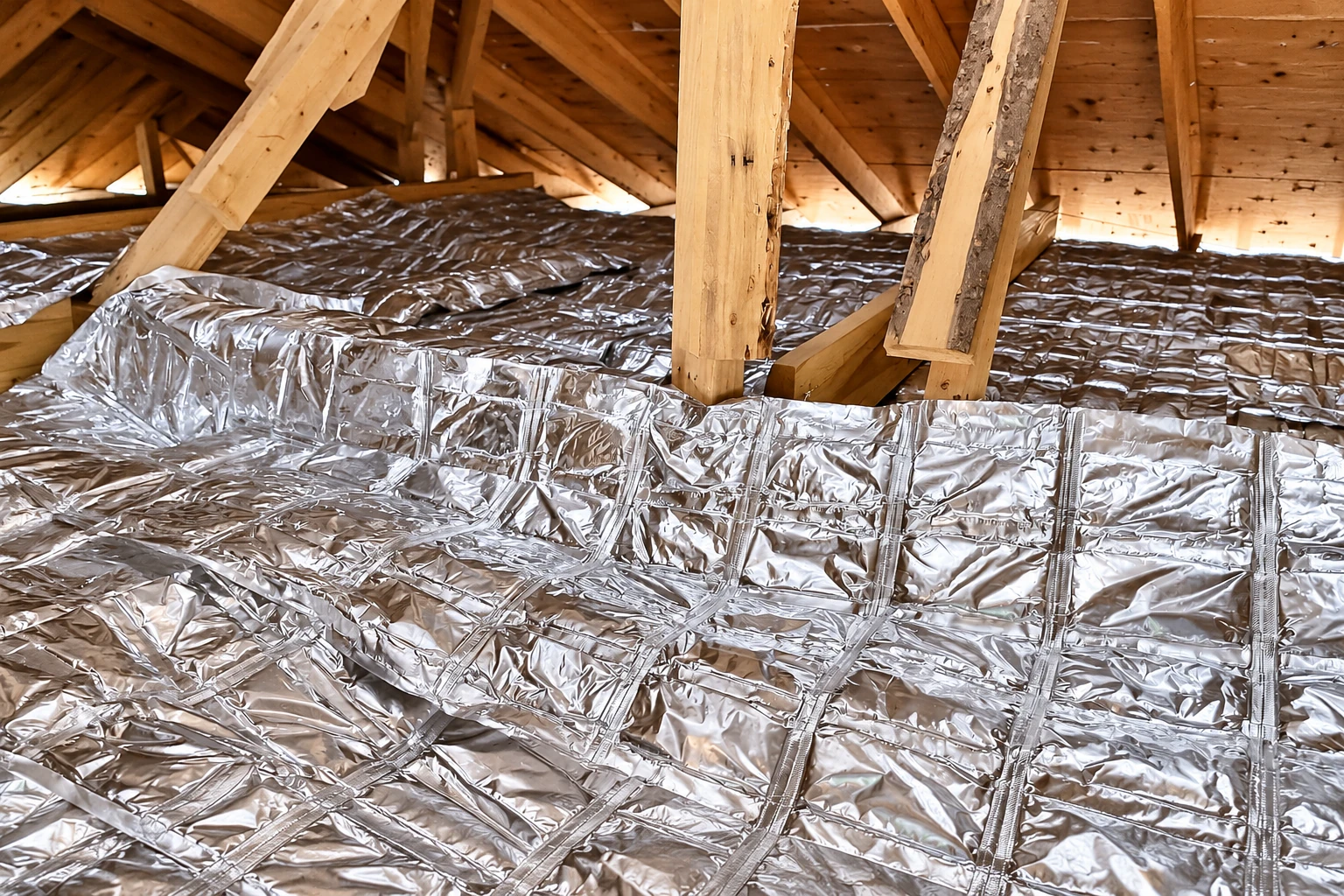
Commercial insulation in South Gate CA - a building that stays comfortable and quiet
Hot suites, rain drumming on the roof, a power bill that keeps climbing? We insulate around your tenants and hours so the building keeps running.
Plan your insulation before the reroof starts
Call (213) 329-0381 or send the form before your roofer locks in a date, so the insulation and the new roof can go in on the same schedule.
Should we insulate our commercial building, and when?
Commercial insulation in South Gate slows heat moving through your roof and walls, so the building takes less energy to keep comfortable, and it cuts outside noise and the echo inside too.
Most business owners and property managers who call us have a hot top floor, a power bill that won't come down, or a roof that's due to be replaced. The price moves with how much area we're covering, where the insulation goes, what old material has to come out first and whether we have to work after hours around your tenants. The schedule usually turns on the roofer's calendar if you're reroofing and on when your space can sit empty, and I give you a figure for your own building after I've looked at it.
Why South Gate business owners call C&K South Gate Insulation Services
I come out myself
I come out to look at your building myself, and I work alongside our crew on the job. The person who walked your roof is the one up there checking that it goes in right.
Licensed and fully insured, every job
We're licensed and fully insured, which matters when our crew is working above your tenants, their stock and their equipment. Ask for it before anyone climbs onto your roof, us included.
Doing this work since 2020
I started this business in 2020 after learning the trade on other crews around South Gate. The city inspects alterations against the state building and energy codes, so we plan each job with that inspection in mind.
With people working below us, timing is most of the job, so tell us about your building and when it's busy, and I'll come take a look.
How we handle commercial insulation
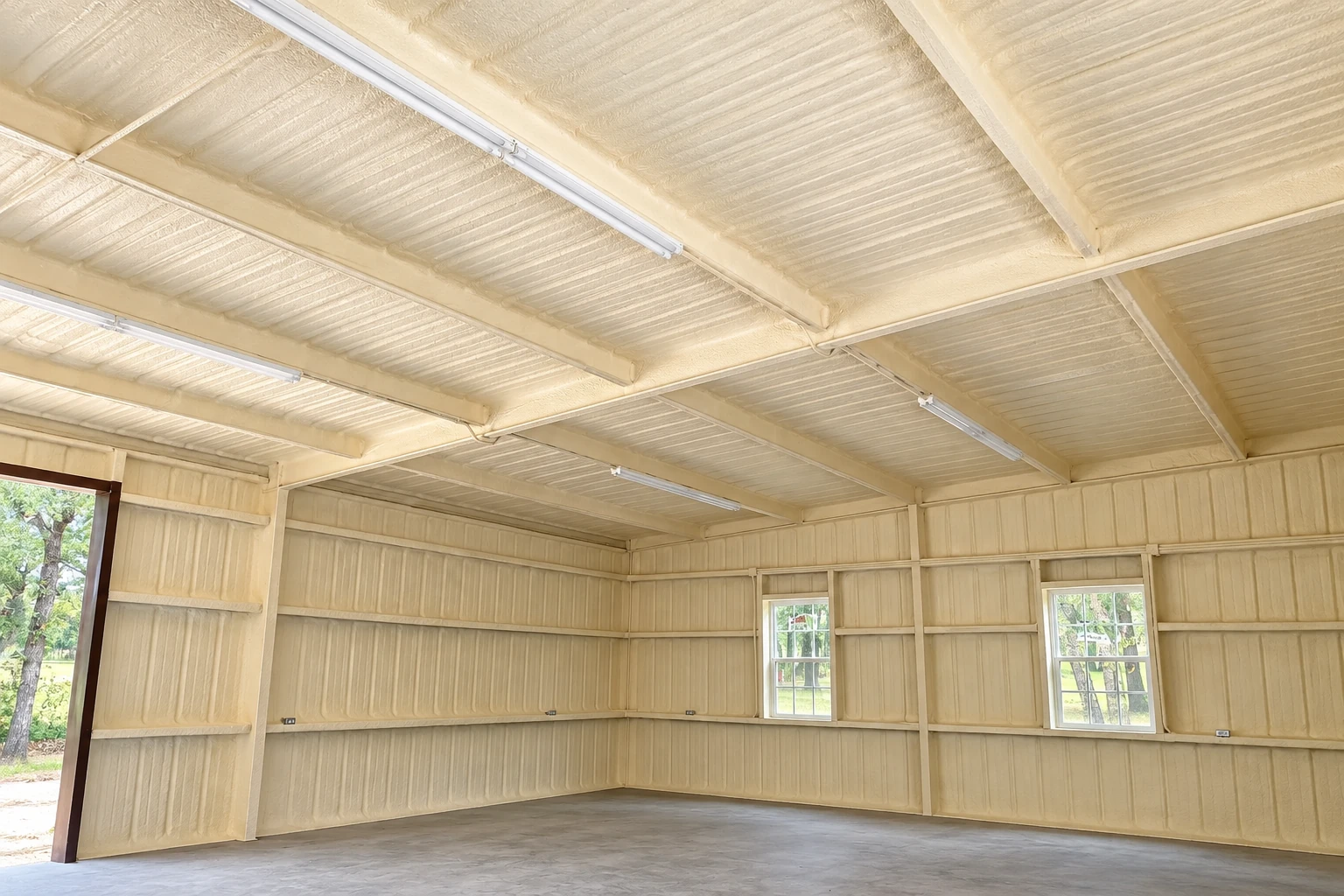
For a business, I start by planning the work around your tenants and your hours, and if a reroof is coming, that's often the best time to talk about insulation, because the roof is already open and nobody's ceiling has to come down. Up top, I check for leaks first, since new insulation over a leak just hides it, and fixing the leak is the roofer's job, a separate trade. Anything wet, crushed, contaminated or peeling apart comes out before new material goes in, then we seal the gaps around pipes, vents and other openings so the insulation isn't fighting a draft, and we install it evenly all the way out to the edges. If any foam would be left exposed, it may need a protective covering, which adds material and another inspection, so I tell you that up front.
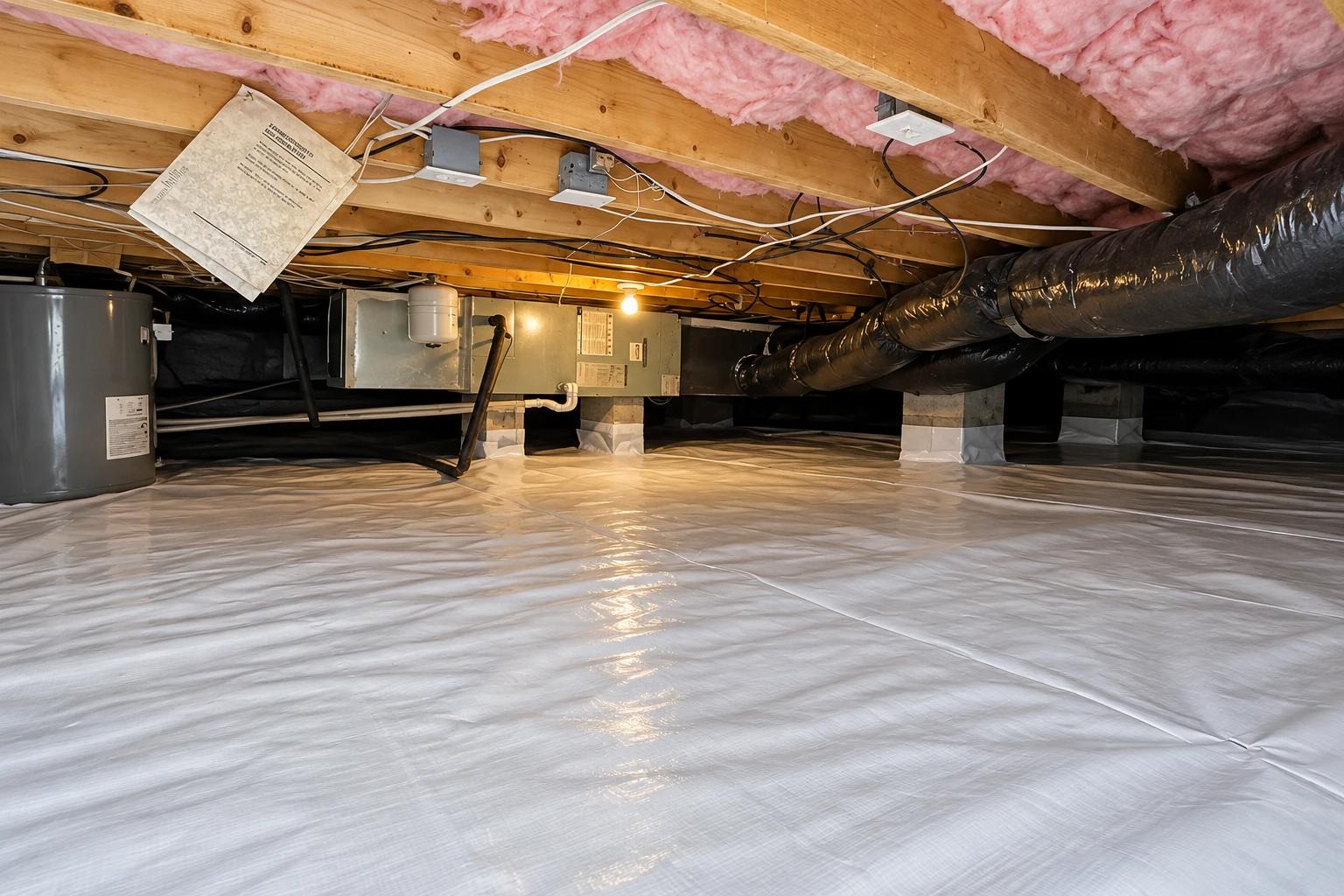
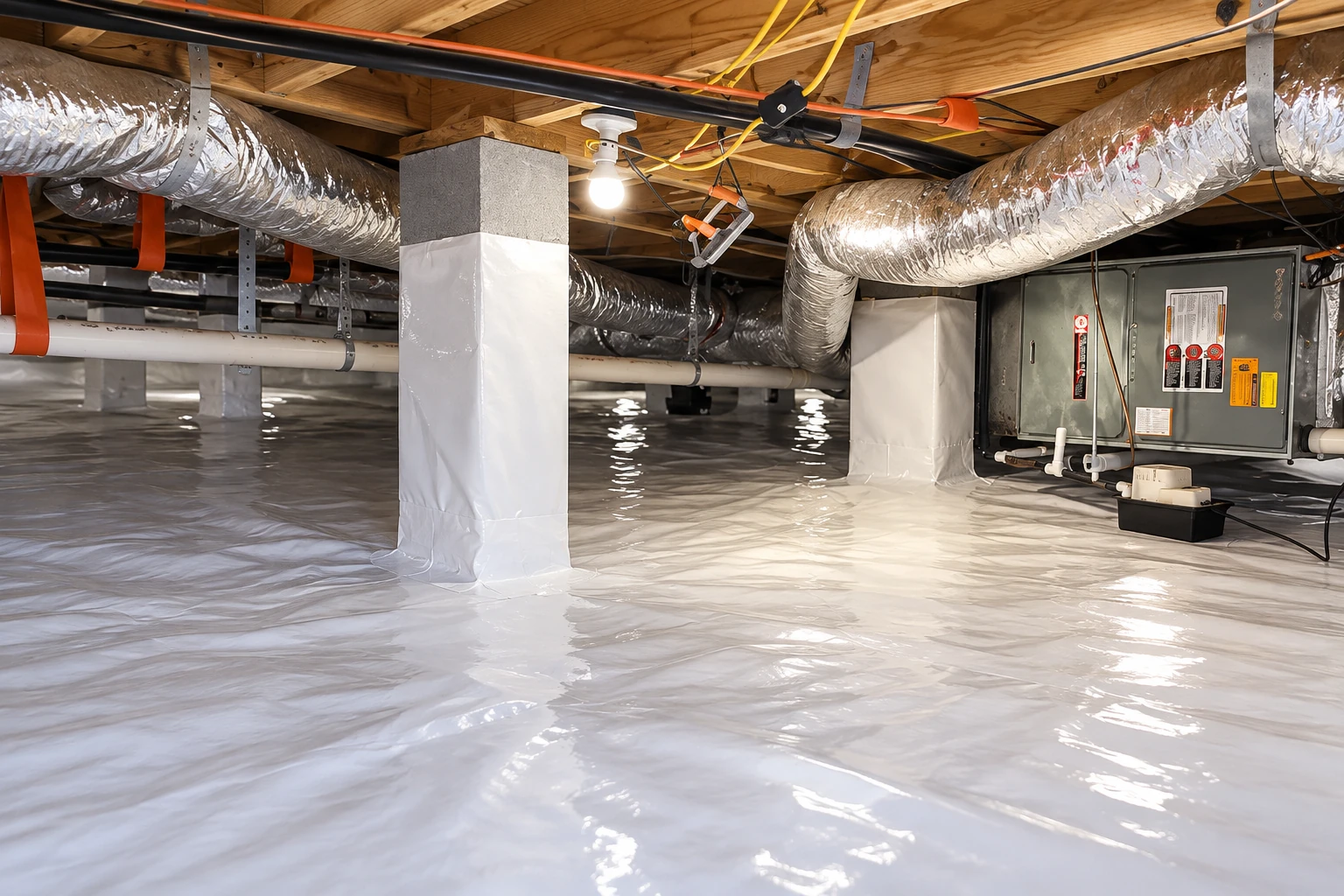
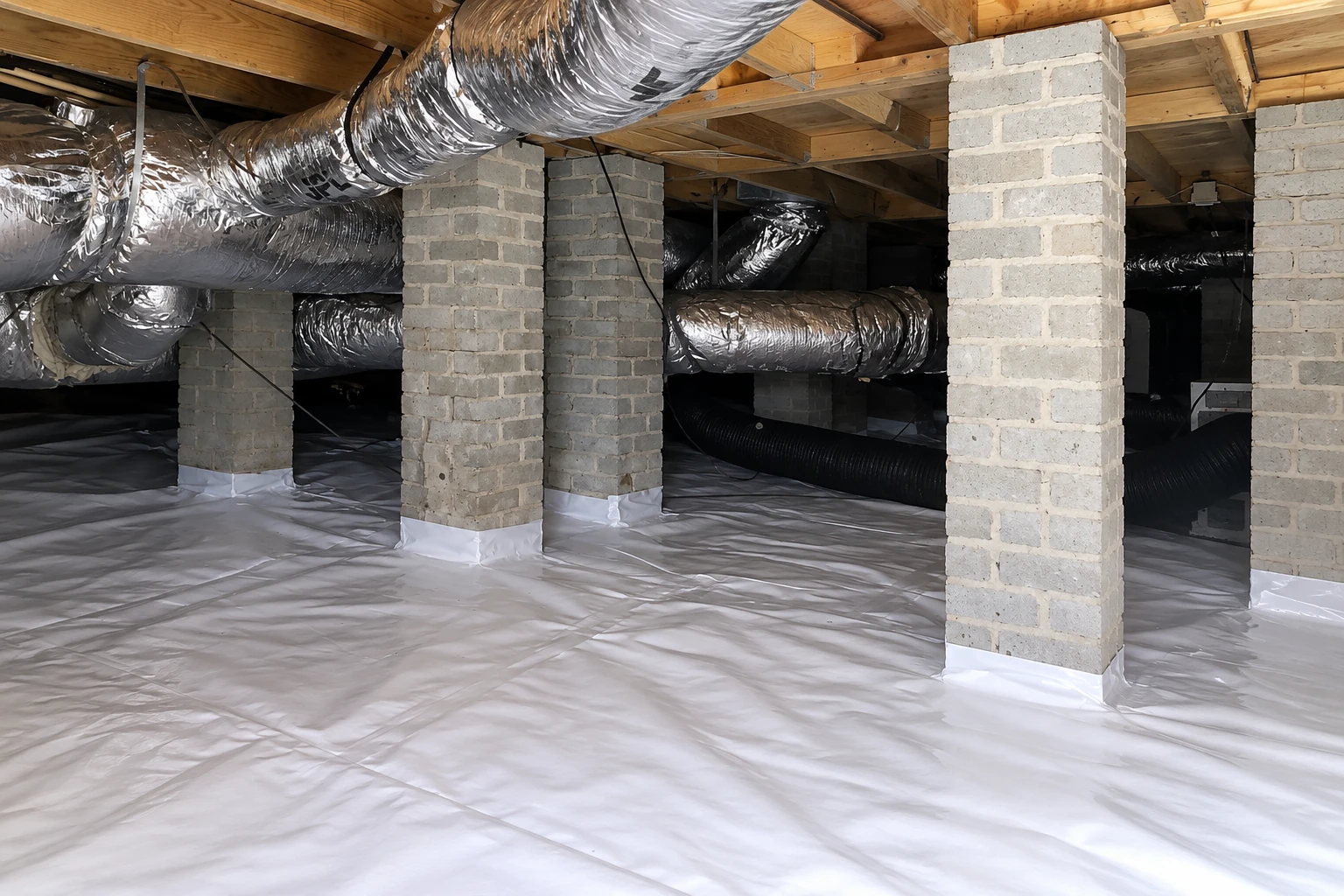
Moisture is the other half of a lot of these jobs. Some of the smaller commercial buildings we see sit over a raised floor, and a crawl space vapor barrier keeps ground moisture away from the floor insulation, while vapor barrier installation in walls and ceilings keeps damp air out of new insulation.
On top of the deck at reroof
This suits a building that's getting a new roof anyway, because the insulation goes down on the roof deck before the new roof covers it. Most of the work happens outside, so tenants below are hardly disturbed.
Under the deck, from inside
This suits a roof with years left in it, since we work between the joists from below and nothing up top gets touched. Foam seals air while it insulates but costs more, so I usually suggest sealing the gaps and adding batts or loose fill unless ductwork runs up there.
How do you tell if your building needs insulation?
Top-floor suites run hot
If the units under the roof stay hot all afternoon while the ground floor is fine, heat is coming through the roof, and the AC works harder every summer you wait.
Power bills keep climbing
Bills that climb with no change in your hours or equipment usually mean heat is moving through the roof or walls, and that cost comes back every month until it's fixed.
Noise coming through or echoing
Traffic or rain on a metal roof coming straight through, or voices bouncing around inside, often means thin or missing insulation, and tenants usually complain before you notice.
Stained or sagging ceiling tiles
Stains or sagging tiles usually mean a roof leak has soaked the insulation above, and once it's wet it stops doing its job while the damage spreads into the framing.
What happens when you call about commercial insulation in South Gate?
I come look at the building
You call or send a message, and I come look at the roof, ceilings and walls. Your estimate comes with what I found and what I'd take care of first.
Permit, then the work
We pull any permit the job needs, keeping in mind the city's permit desk is open Monday to Thursday, 7:30 a.m. to 2:00 p.m. Then our crew works around your tenants' hours.
Walk the finished job together
When we're done, I walk the building with you and show you what went in and where. If the job has a final inspection, we set it up and meet the inspector.
Questions business owners ask us
These are the questions property managers and business owners in South Gate ask most. If your building doesn't fit any of them, call and tell us what you're dealing with.
How much does commercial insulation cost in South Gate?
The price comes down to how much area we're covering, where the insulation goes and whether old material has to come out first, so I give you a number after I've seen the building. Removing wet or crushed insulation adds its own labor, containment and disposal, and work scheduled after hours around tenants can add to it too. That's what the estimate visit is for.
Does a reroof bring state energy rules into a commercial insulation job?
It does when the reroof or recoat covers half or more of the existing roof, or more than 2,000 square feet, whichever is less. A small repair stays outside those rules. California's energy standards cover alterations to existing commercial buildings, not just new ones, so I check the size of your reroof before we plan the insulation.
How do I keep my business open while insulation goes in?
Plan the work around your hours, because some of it may mean the space has to sit empty for a while. One installer's guide says spray-applied insulation needs ventilation and a re-entry time, a stretch when nobody can be inside, and that often pushes the work to nights, weekends or a planned shutdown. Bring your tenant schedule to the estimate visit and ask me what your job would need.
Do I need a permit for commercial insulation in South Gate?
A reroof usually does, since re-roofing is on the city's permit list, but insulation on its own isn't named there, so we check with South Gate's Building & Safety Division for your address before we start. The city typically requires permits for any repair, alteration, construction or demolition project. When a job needs one, we pull it and set up the inspections, and for addresses the county looks after, like Walnut Park and Florence-Graham, we check with the county office instead.
Who is licensed to install insulation in California?
California's contractors board puts anyone who installs insulating material for heat or sound control under its insulation and acoustical classification. That definition covers temperature and sound alike, so acoustic work on a commercial job falls under the same trade.
What causes condensation on the inside of a commercial building?
Usually it's warm, damp air hitting a surface that's colder than it is, which happens where insulation is thin, missing or wet. Installed properly with a vapor retarder, a layer that limits moisture, insulation also keeps condensation off inside surfaces. I look for water marks and damp spots when I'm out for the estimate.
Get a commercial insulation estimate
Tell us your roof area, building type and when your tenants are in, and we'll reply within one business day. I'll come out for a free on-site estimate, with no obligation to go ahead.
Commercial insulation up close
Moisture work that goes with it
Crawl space vapor barrier
If your building sits on a raised floor, a liner over the dirt below keeps ground moisture from reaching the floor and whatever's stored above it.
Learn moreVapor barrier installation
Worth adding in walls or ceilings where damp air could otherwise reach new insulation and wet it from the inside.
Learn more