
Air sealing services in South Gate CA - hidden leaks found and sealed the right way
Drafty rooms, a hot upstairs or a climbing power bill usually trace back to gaps under the insulation. We find them and close them.
Find the leaks before adding more insulation
Call (213) 329-0381 or use the form, because sealing first lets the insulation you already paid for start doing its job.
What does air sealing do for a South Gate house?
Air sealing services in South Gate, CA mean finding the gaps where air slips in and out of your house and closing them, so your insulation stops fighting a draft. A professional tracks them down with a blower door test, a big fan set in a doorway that pulls air through every crack, and a thermal camera that shows where the hot and cold spots are.
Most calls start with a drafty room, a hot upstairs or a power bill that keeps climbing, and people figure they need more insulation. Often the real trouble is air moving through gaps around can lights, pipes, wiring and the attic hatch, and in an older house those gaps sit under the insulation where you'd never see them. What moves the price and the schedule is how many leaks we find, how much old insulation covers them, whether anything in the attic needs fixing first and whether your job needs a permit. I can't know most of that until the hatch is open, so your estimate comes after I've had a look.
Why South Gate homeowners call C&K for air sealing
The owner looks at your attic
I started C&K in 2020 after learning this trade on other crews around South Gate, and I come out to look myself. I also work alongside our crew, so what I find gets sealed.
Licensed and fully insured work
We're licensed and fully insured. Attic work means stepping across joists around wiring and roofing nails, and if something goes wrong up there, it shouldn't land on you.
Permits checked for your address
Inside South Gate, the city's Building and Safety Division issues permits, while county areas like Walnut Park and Florence-Graham go through the county. When a job needs one, we pull it and book the inspections.
The leaks that cost you the most are the ones you can't see, so finding them is the first job. Send us a message and I'll come take a look.
How our air sealing service works
I start by looking the attic over for anything that has to be fixed before we seal, because closing up a house around a roof leak just traps the problem. If you have a gas water heater or furnace, we plan for it to be tested before we start and again after we finish. Then we work through the old insulation to find the leaks underneath instead of guessing, and we seal the gaps around can lights, plumbing and wiring holes, the tops of interior walls and the attic hatch with caulk, foam and weatherstripping. We keep the eave vents, the openings along the edge of the roof, clear as we go so the attic still breathes, and we spread the insulation back evenly so the edges end up as covered as the middle.
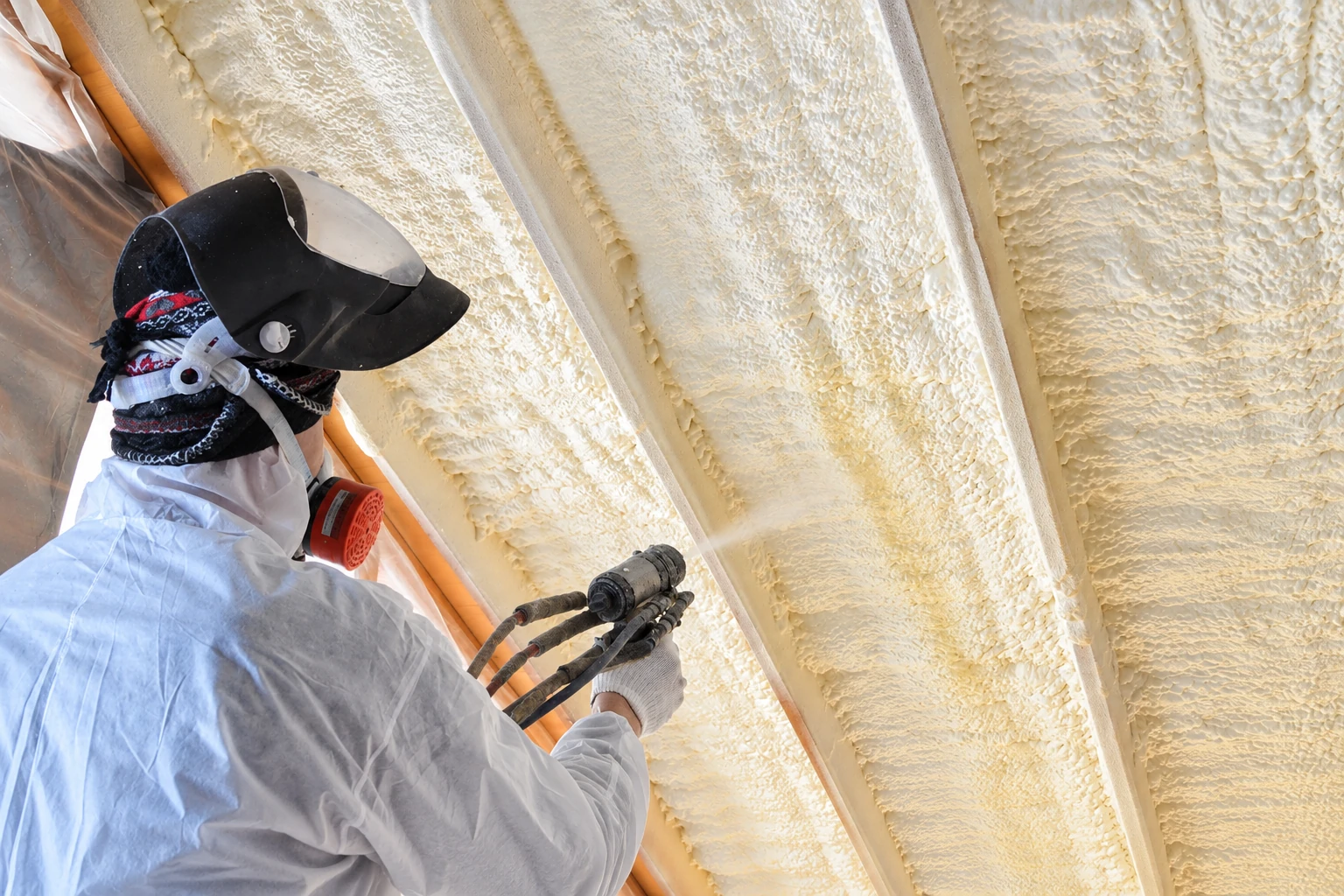
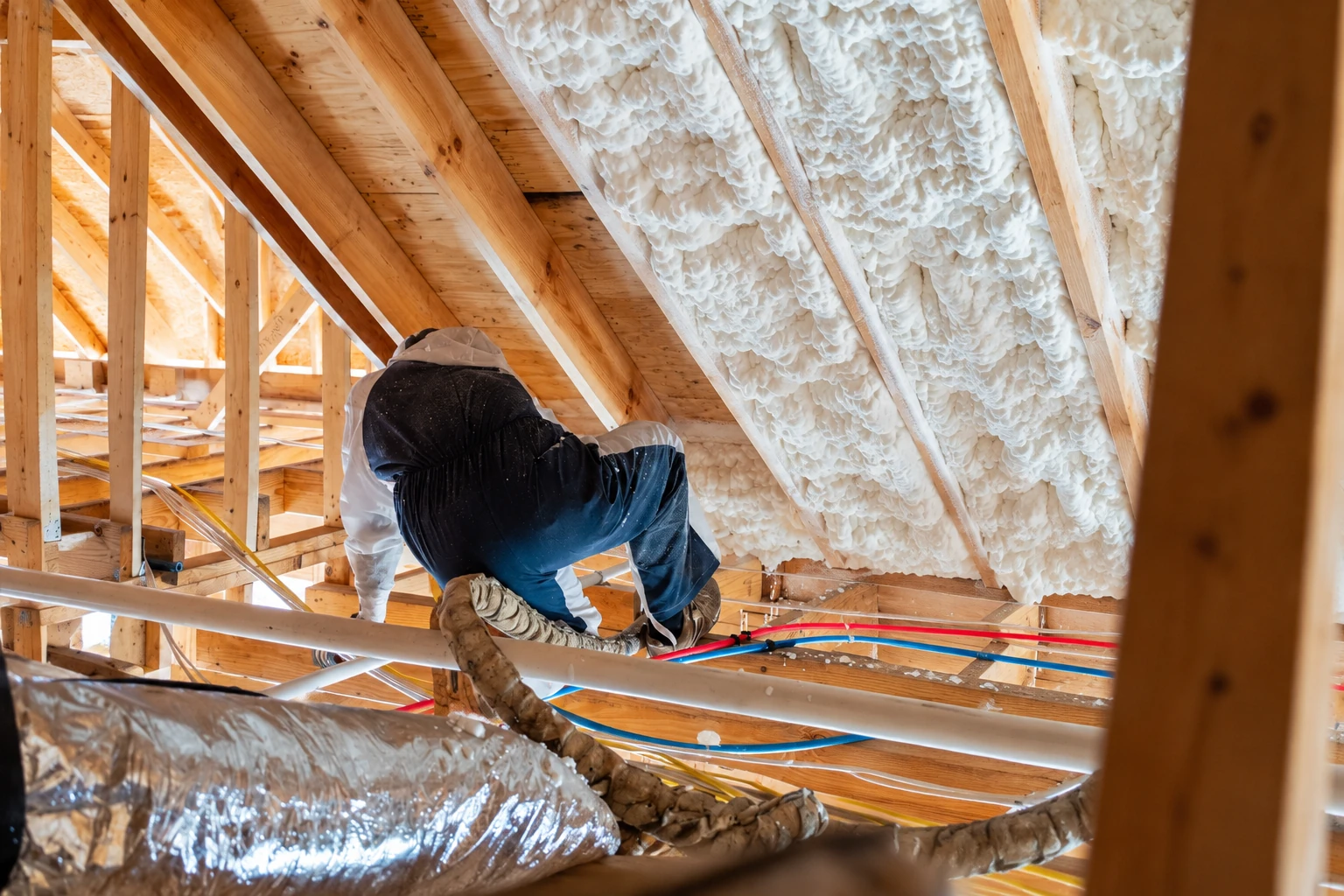
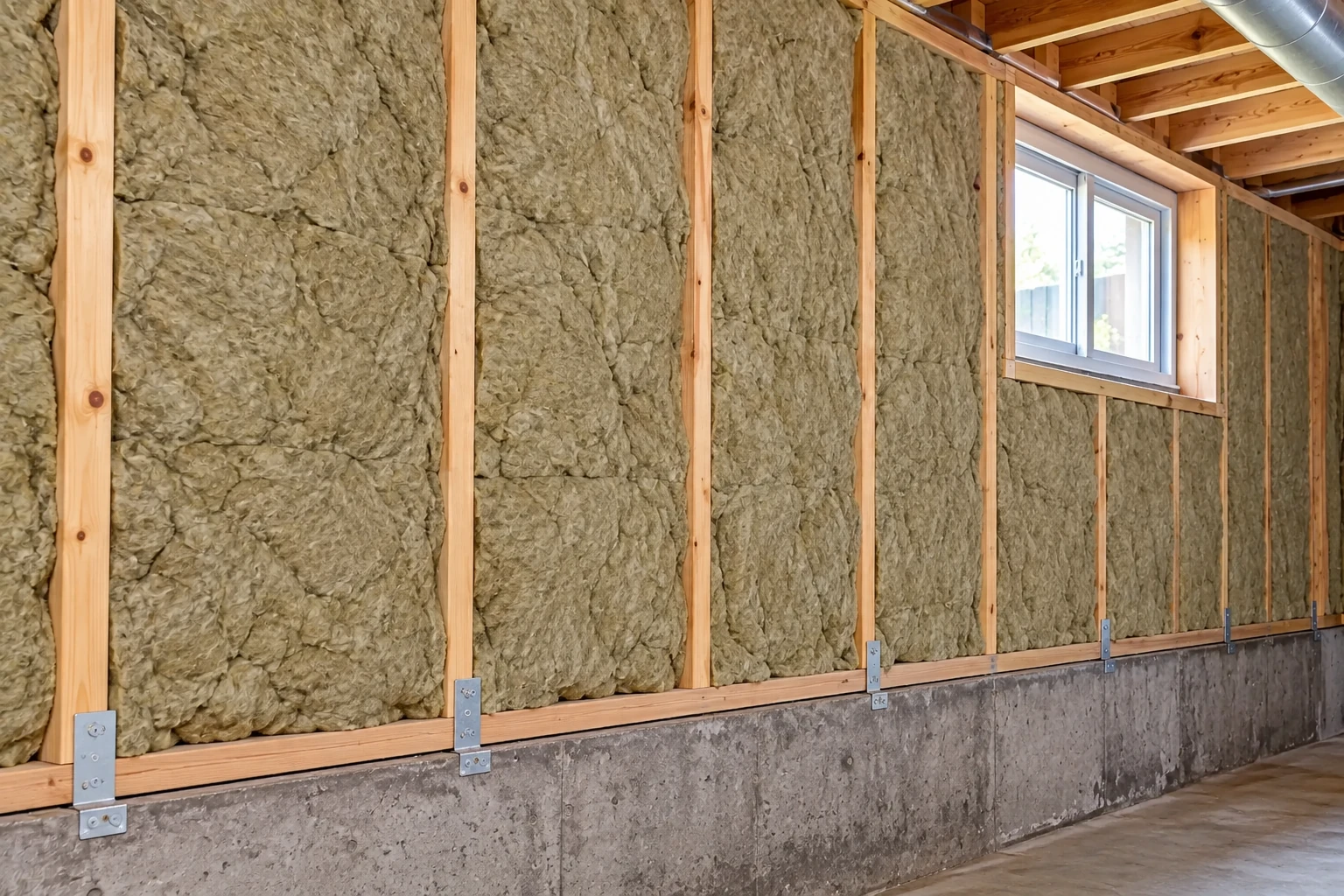
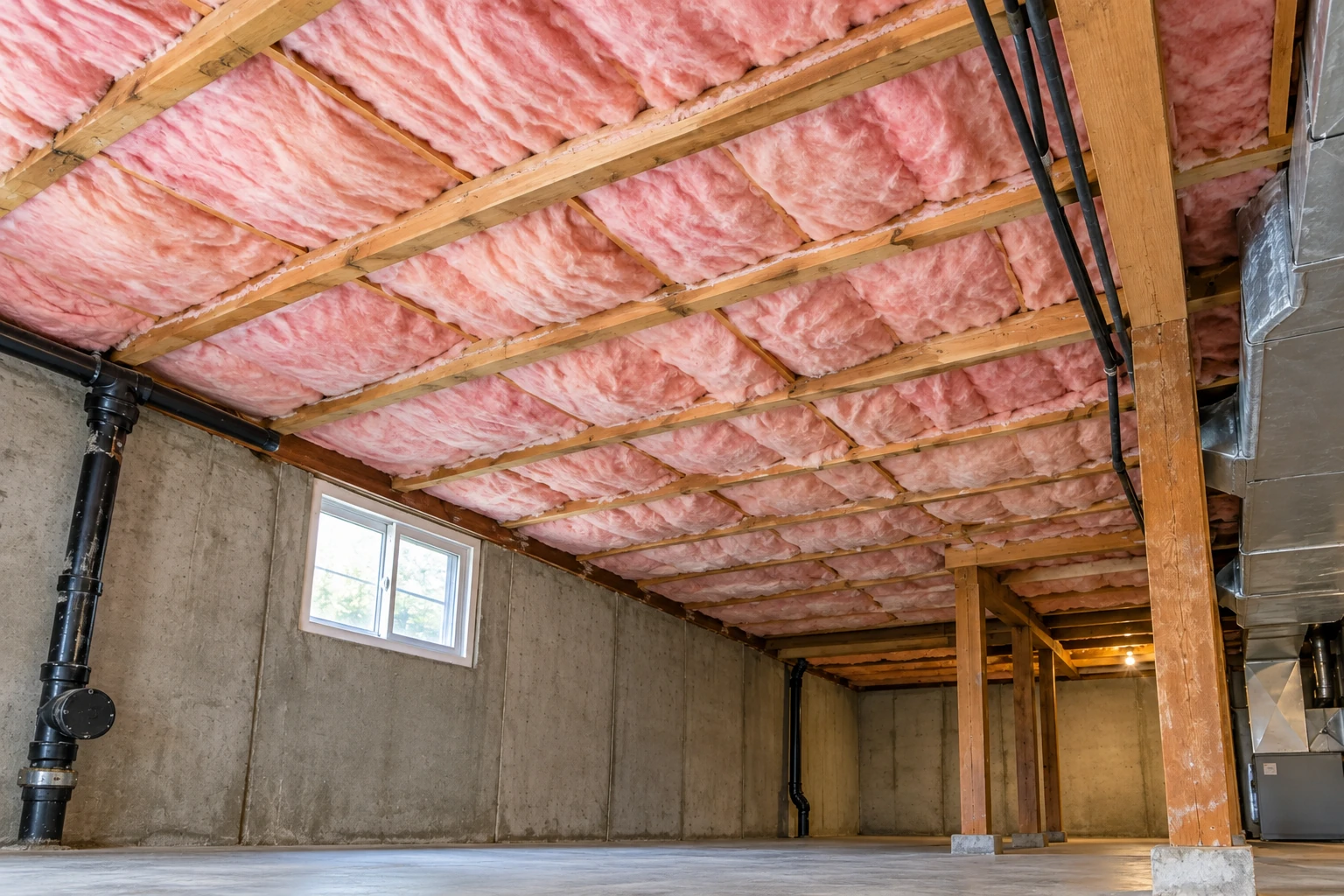
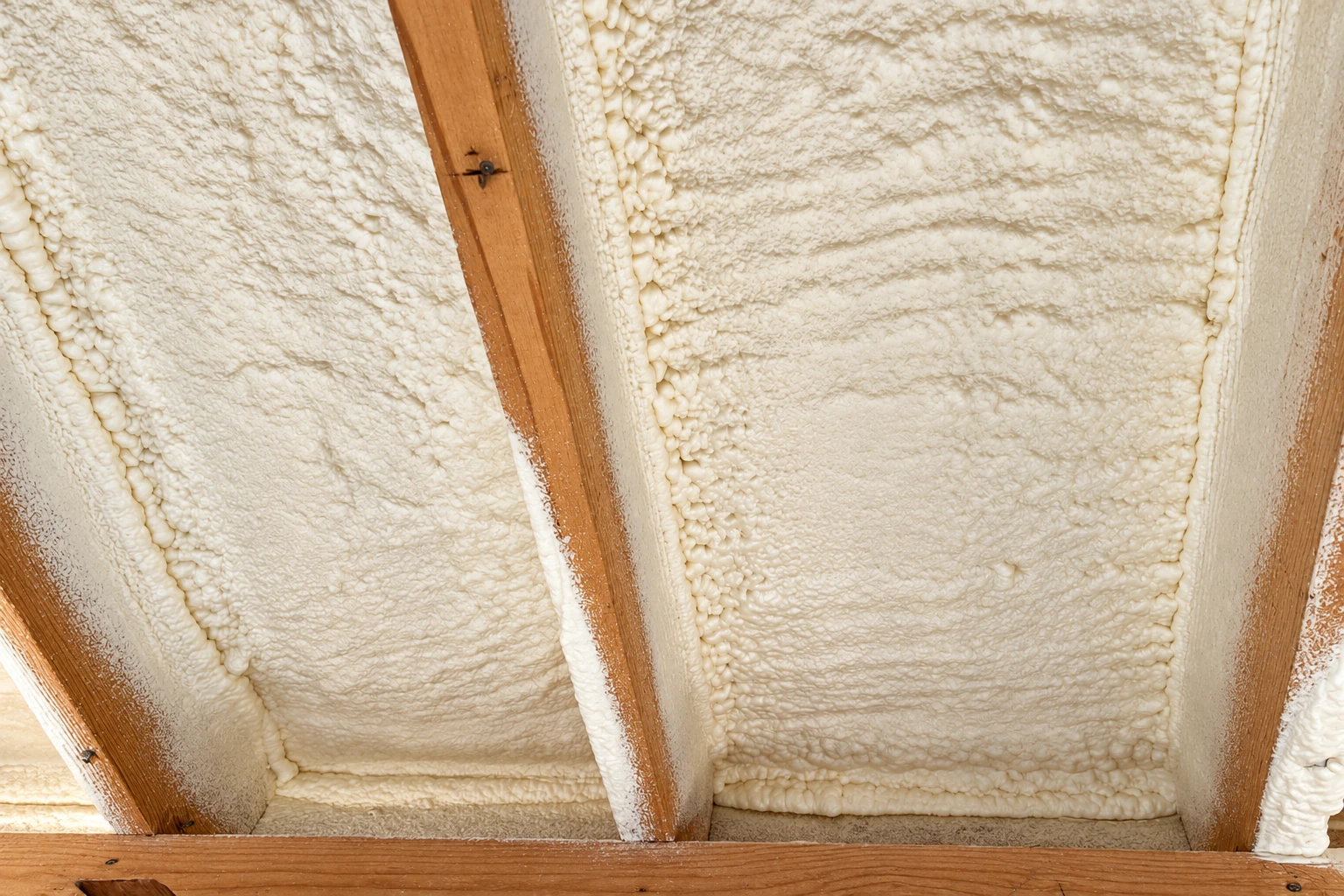
Sealing often leads into other work. If your house has a basement, the rim where the framing sits on the foundation lets in a lot of air, and we seal it as part of basement insulation. Where your ducts run through the attic, I'll usually point you toward closed-cell foam insulation, a dense foam that blocks moisture and seals air while it insulates. Foam costs more, though, so in most attics without ductwork I'd rather seal the gaps by hand and top up the loose fill.
Seal and top up loose fill
This suits most attics with no ductwork and insulation that's still dry and clean. We seal the gaps, then add blown-in insulation, loose fill blown through a hose, to even out the depth.
Seal with closed-cell foam
This suits attics where the ductwork lives, or spots like the room over the garage that never feels right. It costs more, but it seals and insulates in one pass.
Remove, seal and start fresh
This is for insulation that was soaked by a roof leak or is full of droppings. Anything laid over it keeps the problem, so we take it out, seal the bare attic and reinsulate.
How can you tell your house is leaking air?
Drafts at outlets and trim
You feel cool air at outlets, baseboards or around the attic hatch. That's usually air pulled through gaps in the walls or ceiling, and your heater or AC keeps paying for it.
Hot upstairs, cold floors
The upstairs stays hot while the downstairs floors feel cold. Warm air escaping up top pulls outside air in down low, and more insulation alone won't stop that loop.
Dark streaks on insulation
Gray or black streaks in the attic insulation are dust filtered out of air moving through it. They mark leaks underneath, and every season adds more dirt and lost heat.
A creeping power bill
Your bill climbs even though nothing about how you live has changed. Old caulk dries out and gaps open wider over time, so the cost keeps adding up month after month.
What happens after you call us about air sealing?
Call and set up a visit
You call or send a message, and I come look at the attic, crawl space or walls. I show you what I found and what I'd fix first, then give you an estimate.
We handle permits and sealing
If your job needs a permit, we pull it and set up the inspections before we start. I work alongside our crew in the attic while the leaks get sealed.
Walk the finished job together
When we're done, I walk the finished job with you and show you what we sealed. If anything else turned up in the attic, that's when I tell you what I'd do about it.
Air sealing questions we hear
These are the questions South Gate homeowners ask most before we seal up a house. If yours isn't here, call or send a message and ask about your own attic.
What is the best way to seal air leaks in an older house?
Hire someone who can find the leaks you can't see, because in an older house the ones that matter are usually buried under layers of attic insulation. Caulking around windows yourself helps a little, but a do-it-yourself job won't catch those small, hidden attic leaks. If you're not sure where yours are, I'm glad to come look.
Is air sealing safe if I have a gas water heater or furnace?
Yes, when the job includes testing the appliance before and after sealing. In some cases a tighter house can keep a naturally venting gas water heater or furnace from drafting properly, so combustion gases come back inside. Sealing can also hold in things like carbon monoxide, radon or fumes from paints and cleaners, which sometimes means adding a ventilation fan or fixing the source.
Do I need a permit for air sealing in South Gate, CA?
The city's permit list doesn't name air sealing, but South Gate typically requires permits for home improvements and alterations, so we check before any work starts. The city's permit office handles permits and takes calls about scheduling inspections at (323) 563-9549. Depending on the work, California may require HERS testing, a check by an independent energy rater, and a properly permitted job brings any required testing along with it.
What should I check in my attic before air sealing?
Look for anything that has to be fixed first, like wet insulation from a roof leak, moldy or rotted framing, a bath or kitchen fan that blows moist air into the attic, or an attic with little or no venting. A professional should take care of those before sealing, because sealing over them traps the moisture. Knob and tube wiring, found in homes from before 1930, needs a professional look too, since it can be a fire hazard in contact with insulation.
How much does air sealing cost in South Gate?
The cost comes down to what's in your attic, so nobody can give you an honest number before looking. The big factors are how many leaks there are, how much old insulation has to be moved or removed to reach them, and whether a roof leak, mold or bad venting needs fixing first. Adding foam raises it, while sealing and topping up what you already have usually keeps it lower.
How do I check that an air sealing contractor is qualified?
Ask about their license, their training and how they handle permits. California's contractor license board has an insulation class for contractors who install insulation, and the U.S. Department of Energy names the BPI Building Analyst and the RESNET HERS Rater as recognized certifications for people who assess homes. A good contractor should also be able to explain the permit side to you, so bring it up at the estimate.
Get your air sealing estimate
Tell us your home's age, whether you have a gas water heater or furnace, and any attic trouble like wet insulation. We'll reply within one business day to set up a free on-site estimate, with no obligation.
Air sealing work up close
Work that often goes with sealing
Basement insulation
If your house has a basement, insulating its walls and rim keeps cool, damp air from working its way into the rooms above.
Learn moreClosed-cell foam insulation
When ducts run through a hot attic, dense foam can seal and insulate around them in a single pass.
Learn more