
Basement insulation in South Gate CA - a dry, comfortable basement you can use
Cold floors and damp, musty walls downstairs? We insulate the foundation walls with materials that don't hold damp, so the room stays comfortable.
Get your basement looked at before you finish it
A leak is easier to fix and the right material easier to choose before drywall goes up, so call (213) 329-0381 or use the form.
What does basement insulation involve in South Gate?
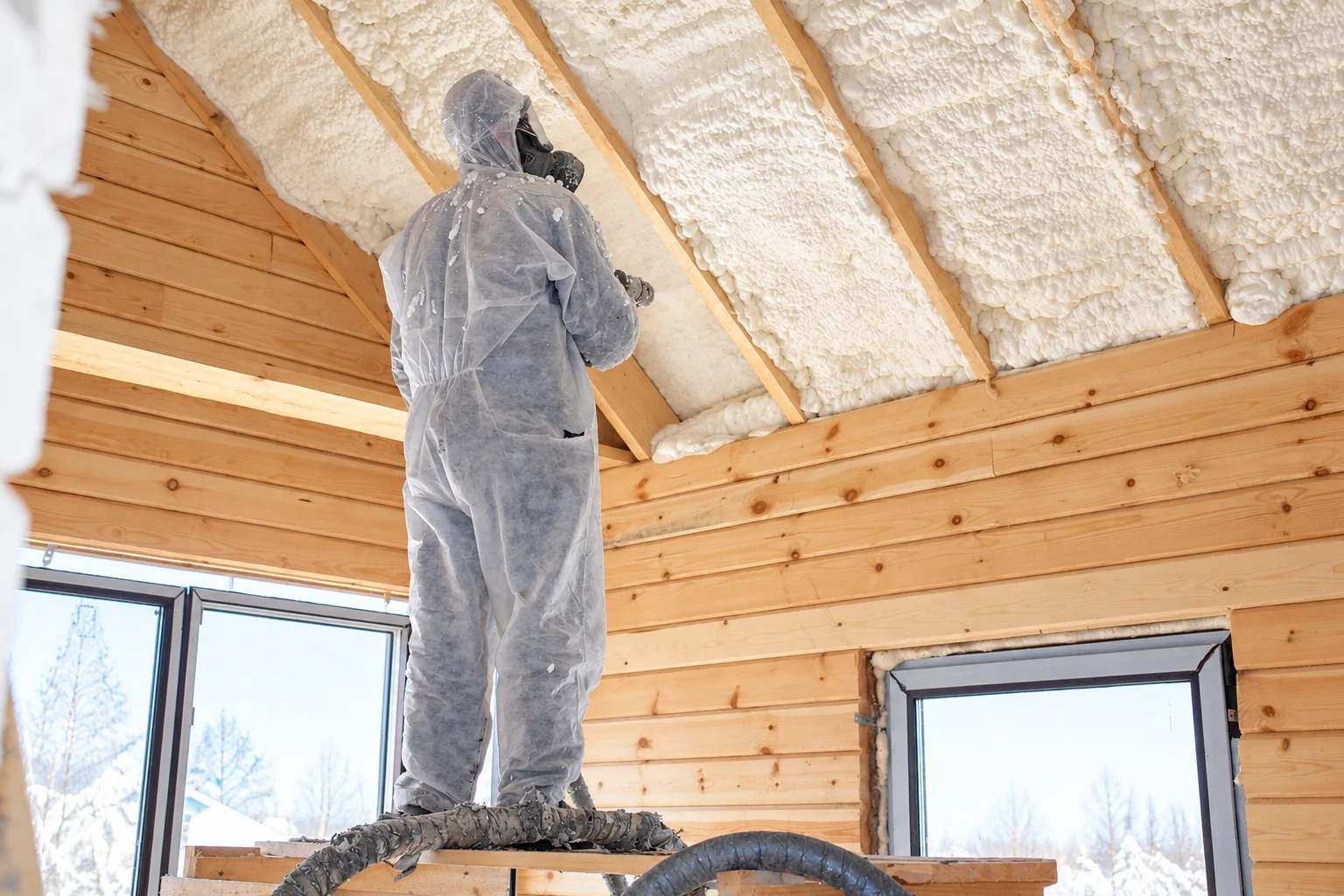
Basement insulation in South Gate lines your foundation walls from the inside, either with foam right on the concrete or with a framed wall filled with insulation and closed in with drywall, so the room downstairs holds heat and stays drier.
Most people who call about a basement tell me it feels cold, smells a little musty, or they want to turn it into a room they'll actually use. The price mostly comes down to how much wall there is, whether it's bare or already finished, which material goes on it, and whether anything needs fixing before insulation goes up. The schedule turns on the same things, because a dry, bare wall is a straightforward job, while a leak, pest damage or a permit holds the start until it's dealt with. Once I've seen your walls, the estimate gives you your own number.
Why South Gate homeowners call C&K South Gate Insulation Services about basements
The owner on every job
I come out to look at your basement myself, and I work alongside our crew when the job happens. That way the person who found the problem is the one making sure it gets fixed.
Our own crew since 2020
I learned insulation on other crews around South Gate, then started this business in 2020. Most of our calls come from homeowners and landlords, so we plan the work around the people living there.
Licensed and fully insured in California
We're licensed and fully insured. California lets someone without a license take only small jobs up to $1,000 that need no permit and no hired help, so a crew job belongs with a licensed contractor.
If your basement feels cold or smells damp, send us a few details and I'll come take a look.
How our basement insulation work goes
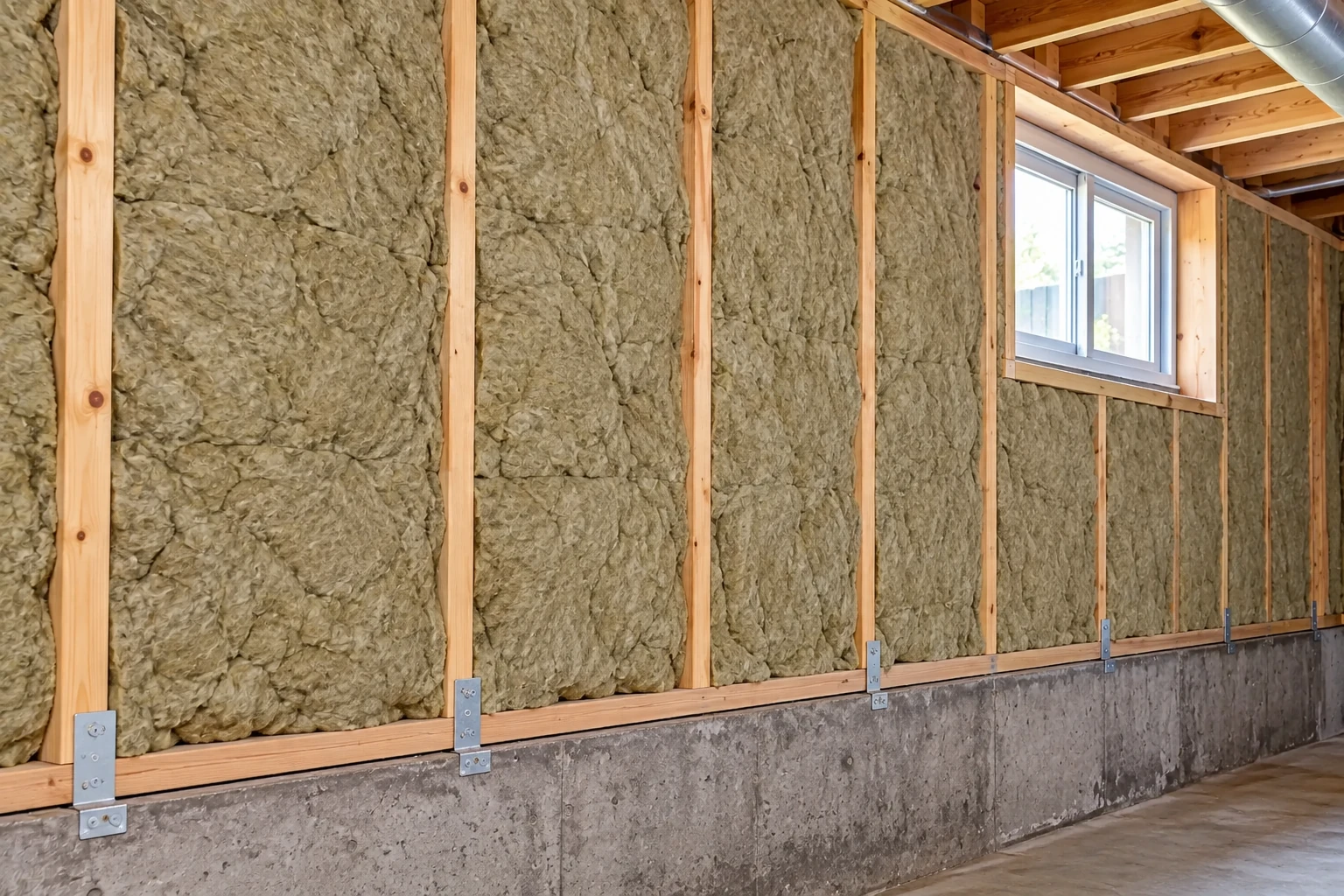
Basements are about staying dry, so I start with moisture before anyone talks about material. I look at the walls and floor for water coming in, damp patches, leaks and wiring, and anything wrong gets fixed first, because insulation over a wet wall only covers the problem. If there's old insulation that got soaked, we pull it out instead of burying it. Then we do the air sealing, closing gaps around pipes and wires so the insulation isn't fighting a draft, and put the insulation on the inside of the foundation wall, since digging out the outside of a finished house is rarely practical. We steer away from anything that would hold damp against the concrete. Foam costs more, but on a wall that's ever been damp I'd still put closed-cell foam, a dense foam that keeps moisture out, against the concrete.
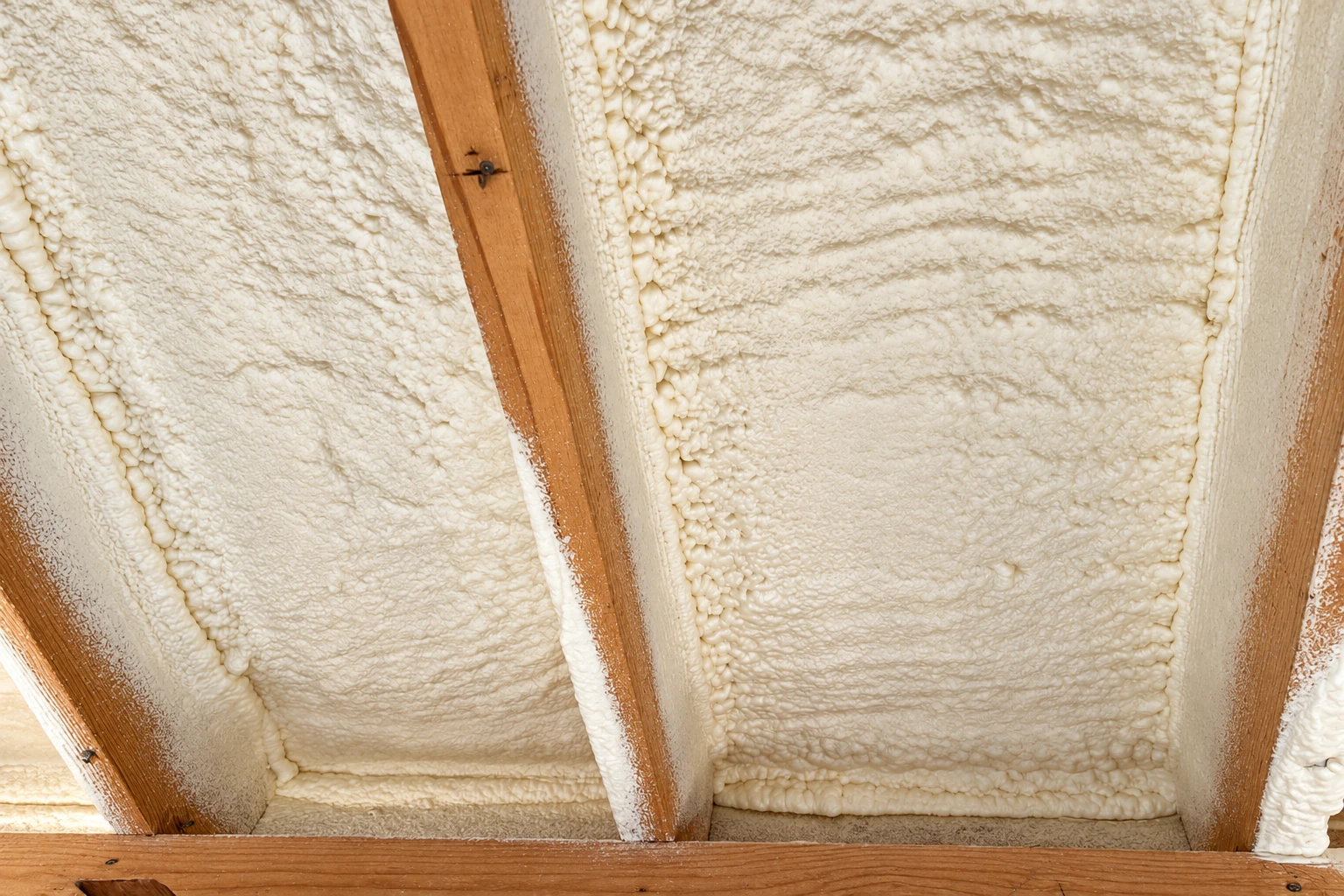
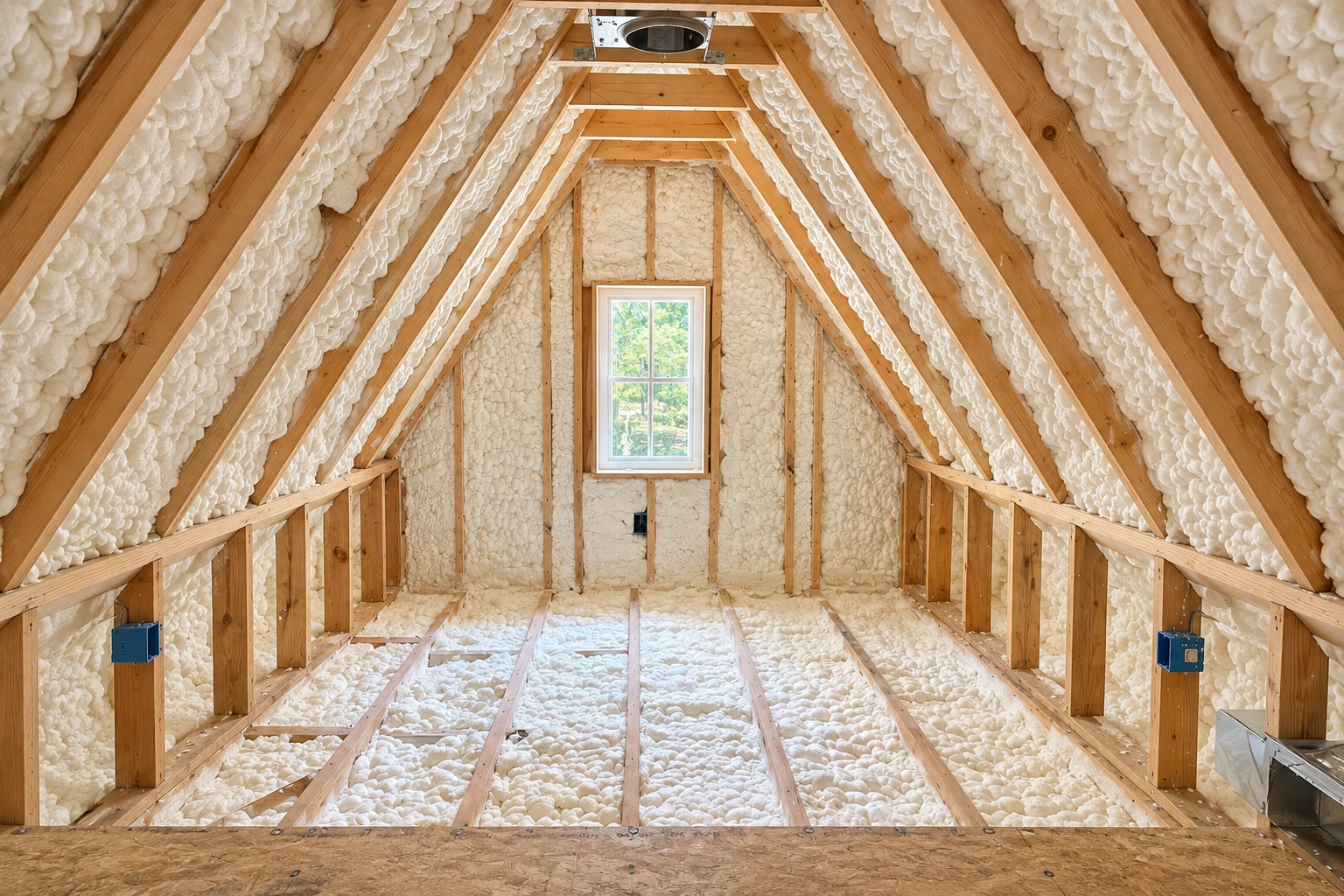
Foam ends up in a lot of basement jobs, so it helps to know the two kinds. Closed-cell foam insulation is the one I trust against concrete, while open-cell foam insulation is softer and takes on water, so we usually keep it for walls and ceilings above ground.
Foam on bare foundation walls
This suits a basement used for storage or laundry, where damp matters more than looks. Closed-cell spray foam or rigid foam panels go straight onto the concrete and keep moisture from reaching the room.
A framed wall for a finished room
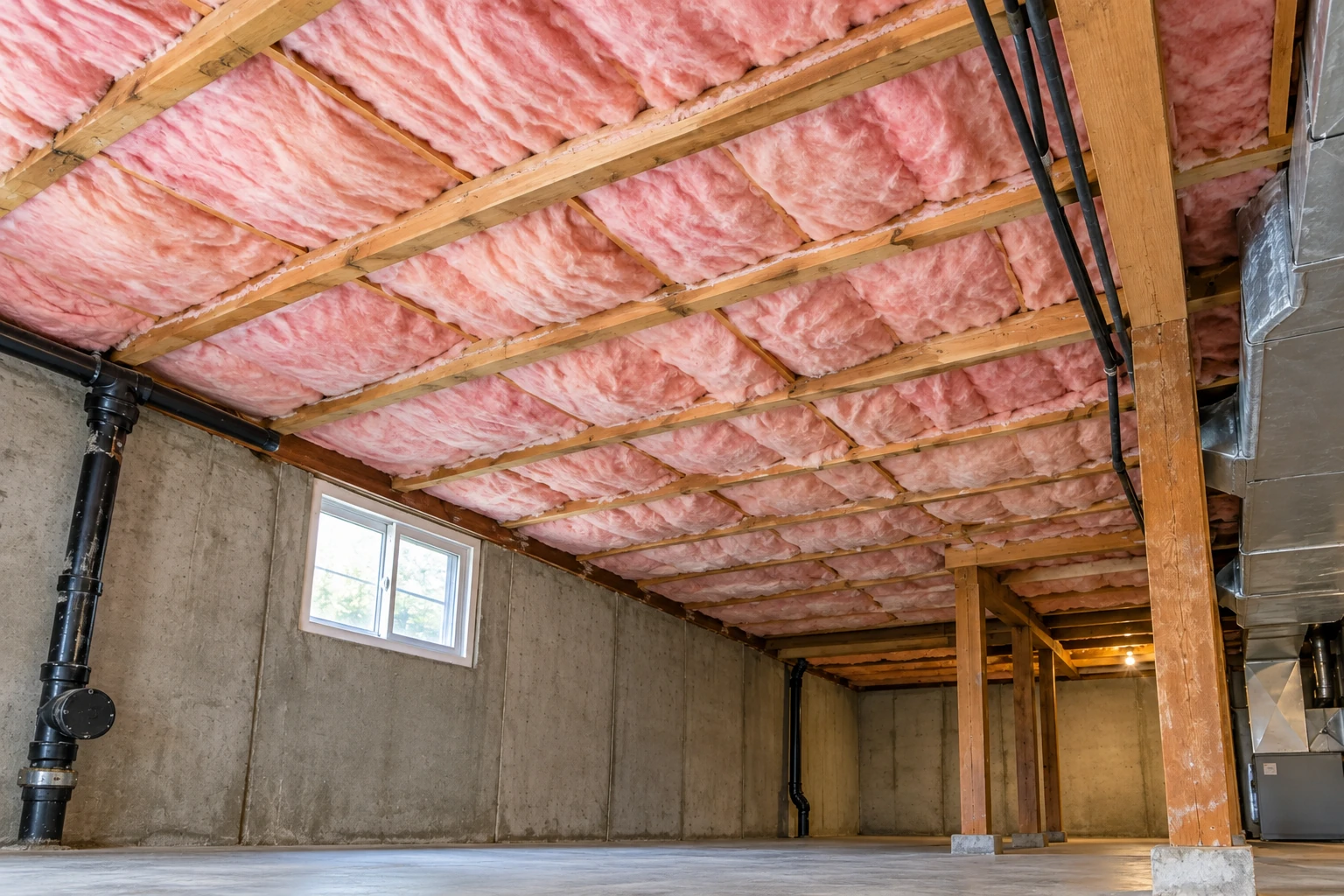
If you're turning the basement into living space, we build a framed wall, fill it with batts or blown-in insulation, which is loose fill blown through a hose, and close it with drywall. Walls already finished can often be filled by drilling small holes, once I know the wall behind them is dry.
What tells you a basement needs insulation?
Cold floor above it
If the floor over your basement feels cold underfoot, the bare foundation walls are usually letting heat out. Leaving it means paying to warm a room that keeps losing it.
A musty smell downstairs
A damp, stale smell usually means moisture is sitting in the walls or in old insulation. The longer it sits, the more likely mold and pests settle in first.
Damp spots or white crust
Dark patches or a chalky white crust on the concrete mean water is getting through the wall. That gets fixed before insulation, and the longer it runs, the more of the basement it soaks.
Old insulation sagging down
Batts that sag, stain or pull away from the wall have usually gotten wet at some point. Left up, they keep holding damp against the concrete, and new insulation over them won't fix it.
What happens after you call about your basement?
Call and I come look
Call or send the form, and I come look at the walls, floor and damp spots. Then I walk you through what I'd fix first and give you an estimate.
We handle permits and install
If the job needs a permit, we pull it and set up inspections, working around the city's permit hours, Monday to Thursday, 7:30 a.m. to 2:00 p.m. Then we do the work.
Walk the finished basement together
When the work's done, we clean up and I walk the finished basement with you. I show you what went on each wall and answer anything you're unsure about.
Basement insulation questions, answered
These are the questions I hear most about basements around South Gate. If yours isn't here, call or send the form and ask about your own walls.
What is the best insulation for a damp basement?
Closed-cell spray foam handles moisture better than anything else you can put on the inside of a foundation wall. That's why it's the one I lean toward when damp is your main worry, and why I'll tell you plainly when a dry basement can do with less.
How much does basement insulation cost in South Gate?
Basement insulation in the Los Angeles area usually costs about $1.50 to $4.50 per square foot to install. That's what the work generally runs around here, not our price, and where your job lands depends on the material and what needs fixing first. Your estimate gives you your own figure.
Do I need a permit to insulate my basement in South Gate?
It may need one, and the city's Building & Safety Division is the office that issues it. The city says a permit is typically needed for any home improvement, repair or alteration, and its examples name re-roofing rather than insulation, so when we're not sure we check with the city before work starts, and when a permit is needed we pull it and set up the inspections. The city inspects remodels against California's building, energy and green building codes, and the energy code's rules for a home's outer shell depend on its climate zone. You can reach the counter yourself at 323-563-9549.
Does spray foam in a basement have to be covered?
Yes, foam left exposed that isn't fire-rated gets covered with an ignition barrier the code approves, a fire-resistant coating or sheet, or with a fire-rated layer such as drywall. Any foam we leave in the open gets that covering as part of the job, so it's in the estimate from the start.
How do I know my basement is ready to insulate?
It's ready once water, pests and any hazardous materials are dealt with, because insulation over any of them just covers the trouble. Good practice is to check for asbestos, lead paint, water seeping in, damp and pest damage, and to look at the foundation itself, since insulating over a wall with structural problems can hide them or make them worse. You'll know what needs fixing before we start.
What causes basement insulation to stay damp?
Usually it's fiberglass or cellulose resting against the concrete, because both can soak up a lot of moisture from the wall and stay wet for a long time. Plastic sheeting on the inside of the wall makes it worse by trapping that moisture. When you want a framed wall, we put foam against the concrete first so the fill never touches it.
Get a free estimate for your basement
Tell us the basement's rough size, whether the walls are finished and any damp you've noticed, and we'll reply within one business day. I come out for a free on-site estimate, with no pressure and no obligation.
Examples of basement insulation work
Related foam insulation services
Closed-cell foam insulation
If water has ever reached your foundation walls, this dense foam is the option that stops moisture before it gets into the room.
Learn moreOpen-cell foam insulation
For walls and ceilings above ground, this lighter foam fills odd-shaped spaces and quiets noise at a lower cost than the dense kind.
Learn more